Community Contribution #6 – Personalization
Analyzing how I learned basketball through the YouTube channel ILoveBasketballTV offers an interesting window into digital instruction. Clips like Top 5 Moves All Basketball Players Should Know (ILoveBasketballTV, 2024) rely on visual overlays to map out precise footwork and timing (Figure 1). As a result, my routine is straightforward. First, I watch a move. Then, I bookmark any timestamps that confuse me, and finally, I head to the court to try it. While this feels like tailored instruction at first glance, a closer look reveals two distinct systems.
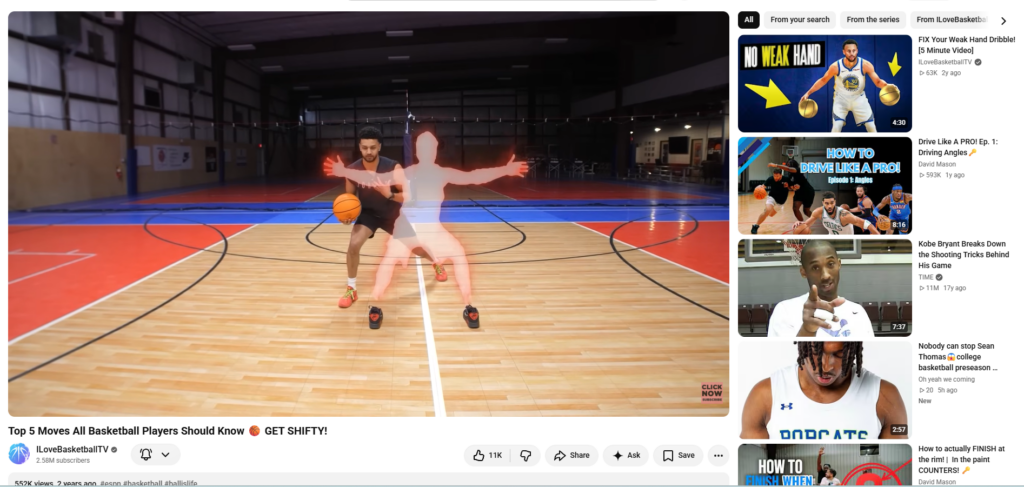
Figure 1. An animated defender overlay showing footwork.
To begin with, Bray and McClaskey (2014) define true personalization as learner driven, in contrast to differentiation or individualization, which are directed by someone else. The first part of my practice aligns well with this definition. After all, I select the channel, pick the specific handles I want to refine, and set my own training schedule without anyone assigning me work.
The algorithm, however, tells a different story. YouTube serves up recommendations when I search for drills or head out to play, which is undeniably convenient. Yet, as Bulger (2016) notes, data driven systems are rarely truly adaptive. The core content never adjusts to my actual skill level. Instead, the platform simply predicts my next click, much like Netflix. Before long, my sidebar strays from weak hand drills to Kobe Bryant interviews and college mixtape highlights (Figure 2). This drift supports Selwyn’s (2019) argument that platform interests often eclipse educational goals, since YouTube ultimately prioritizes my watch time over the skills I want to learn.
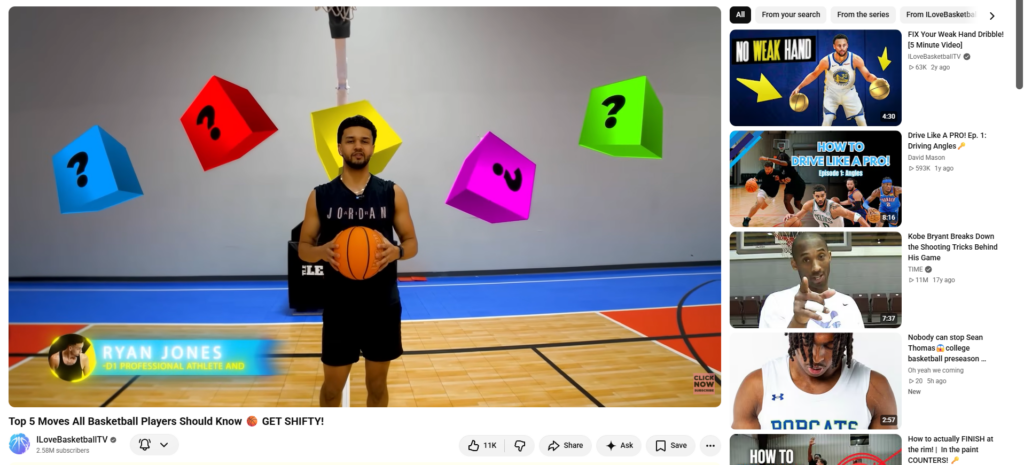
Figure 2. Recommendations drifting from drills to highlights. Screenshot by author, October 2026.
Even so, self determination theory (Kerins, 2021) explains why this habit persists. Directing my own path satisfies my need for autonomy, and mastering a new move helps me build confidence. Relatedness, on the other hand, remains the missing link. Although I scan the comment sections for technical tips, I like to be a quiet observer rather than an active participant.
Ultimately, the creator’s content empowers personalized practice, but the platform’s algorithm favours engagement over education. In the end, real personalization happens off screen, through the deliberate choices I make on the court.
Has a YouTube channel taught you a physical skill? Does your feed help you practice, or does it just keep you watching?
References
Bray, B., & McClaskey, K. (2014). Make learning personal: The what, who, wow, where, and why. Corwin.
Bulger, M. (2016). Personalized learning: The conversations we’re not having. Data & Society Research Institute. https://datasociety.net/wp-content/uploads/2016/09/PersonalizedLearning_primer_2016.pdf
ILoveBasketballTV. (2024). Top 5 moves all basketball players should know 🏀 GET SHIFTY! [Video]. YouTube. https://www.youtube.com/watch?v=CGRJdBA6hGc
Kerins, T. (2021, August 30). Self-determination theory. The Decision Lab. https://thedecisionlab.com/reference-guide/psychology/self-determination-theory
Selwyn, N. (2019). What’s the problem with learning analytics? Journal of Learning Analytics, 6(3), 11–19. https://doi.org/10.18608/jla.2019.63.3